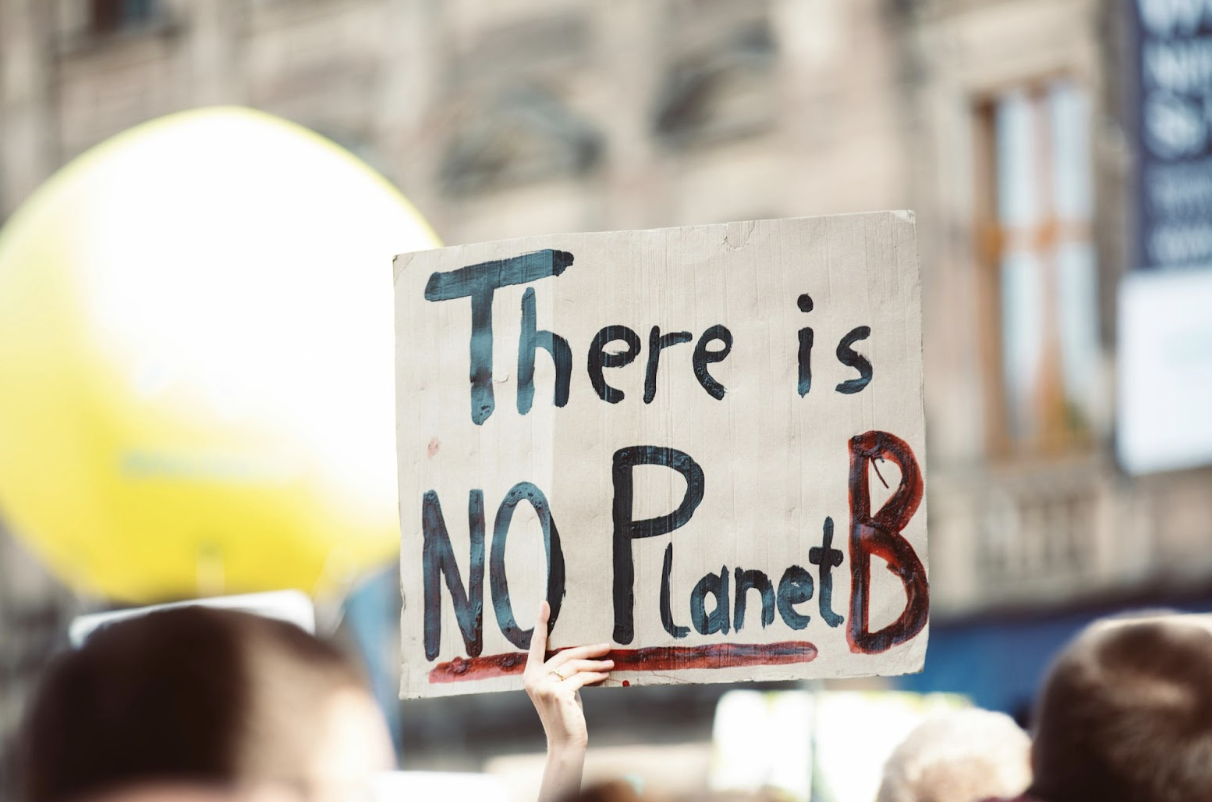
As the United Nations Climate Change Conference (also known as COP30) concluded last week in Belém, Brazil, one message stood out clearly: global leaders are still failing to confront the enormous climate and welfare impacts of animal agriculture.
Hopes were high for a summit hosted in the Amazon, one of the most biodiverse regions on the planet and a frontline in the fight against deforestation. However, despite this backdrop, negotiators made limited progress on key issues, including halting deforestation and phasing out the use of fossil fuels in agriculture. Most concerning of all, animal welfare was absent from the final agreements.
More than 300 industrial agriculture lobbyists attended COP30, highlighting just how deeply Big Ag continues to shape global climate policy. Civil society groups, including WAP, worked hard to push humane, sustainable food-system solutions into the conversation. Their events showcased evidence-based pathways to protect animals, reduce emissions, and support small-scale farmers.
Yet industrial animal agriculture, one of the largest drivers of climate emissions, deforestation, biodiversity collapse, and animal suffering, remains largely unaddressed in international climate frameworks.
Agriculture is the second-largest source of global greenhouse gas emissions after fossil fuels. Factory farming not only fuels the climate crisis but also causes immense suffering for billions of animals each year and destroys vital ecosystems to grow feed crops. Without meaningful commitments to transform our food systems, climate targets are impossible to meet.
We need to urge governments to treat animal welfare, climate action, and sustainable food systems as inseparable. That means transitioning away from industrial animal agriculture toward humane, equitable, plant-forward systems that protect animals, people, and the planet.
At Animal Place, we stand behind this call. Animals deserve to be included in global climate conversations, not pushed aside by powerful industry interests. As we look toward COP31, we will continue advocating for compassionate, evidence-based solutions that address the climate crisis at its roots.
Because protecting animals isn’t just the right thing to do, it’s essential for a sustainable future.
Want to dive deeper? Follow the latest developments on the climate issues that matter most.